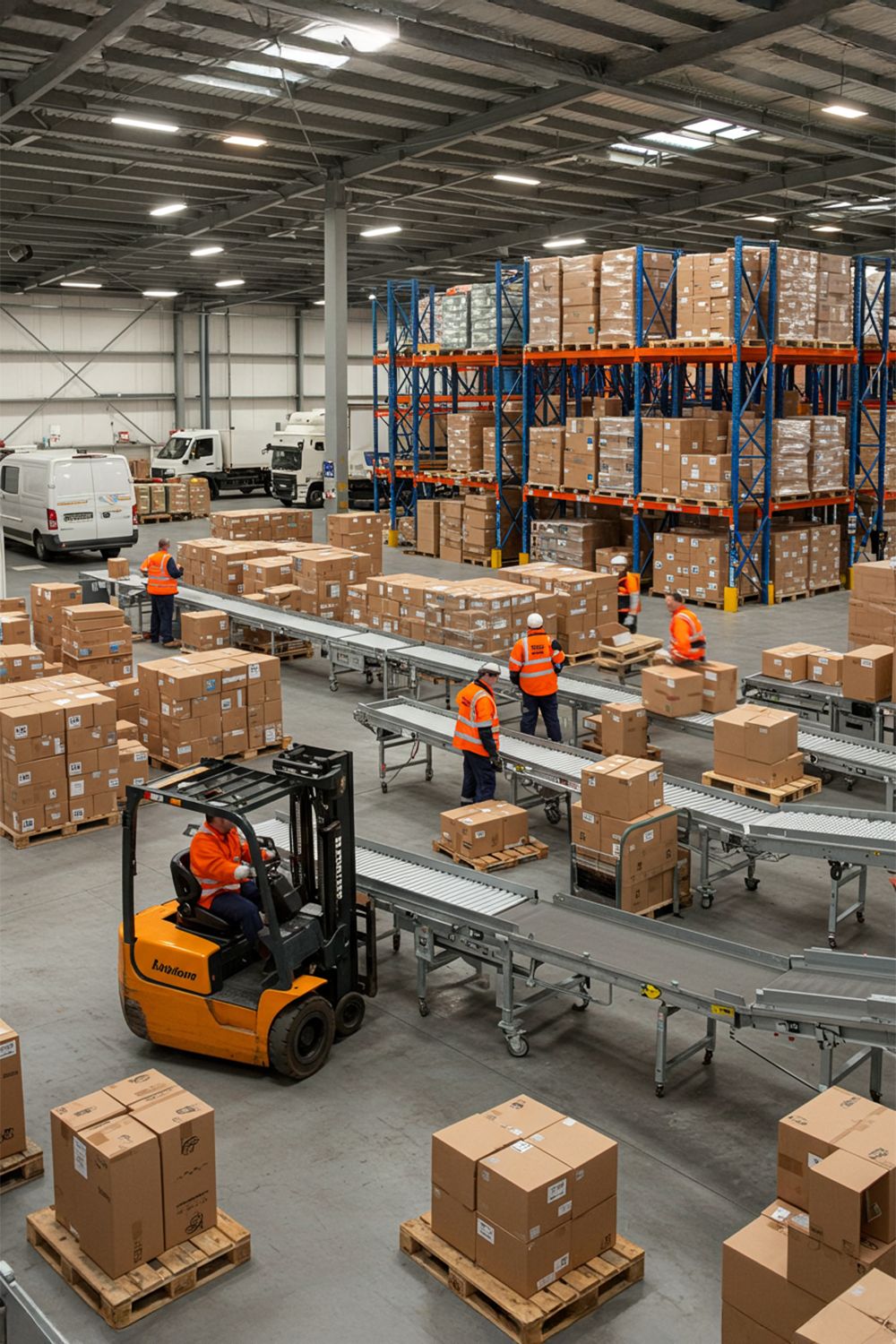
The boundary between e-commerce and supply chain management has effectively dissolved. Today, customers expect real-time inventory visibility, next-day shipping options, and seamless returns — and delivering on those expectations requires a supply chain that is deeply connected to the digital commerce platforms your business uses to sell.
For businesses sourcing from Asia, this creates a specific challenge: how do you bridge the gap between a factory in Shenzhen or Ho Chi Minh City and a customer expectation formed by Amazon Prime? Here is how leading brands are approaching it.
Why Integration Is No Longer Optional
The cost of poor supply chain–e-commerce integration is now directly visible in your conversion rate and customer reviews. Overselling due to inventory sync delays, delayed fulfilment, incorrect product information, and opaque tracking all create friction that modern consumers are increasingly unwilling to tolerate.
At the same time, the tools available to solve these problems have matured dramatically. Platform integrations, third-party logistics (3PL) partners with dedicated e-commerce capabilities, and cloud-based inventory management systems have made seamless integration achievable for businesses of virtually any size.
"The businesses winning in e-commerce are those that have treated supply chain integration as a strategic priority — not an IT project."
Key Integration Points to Address
Real-Time Inventory Synchronisation
Your e-commerce platform must reflect actual available stock at all times, accounting for goods in transit, reserved stock, and warehouse inventory simultaneously. A modern inventory management system connected to both your sourcing partners and your sales channels is the foundation.
Order Management and Fulfilment Automation
Manual order processing is a scalability bottleneck. Automated order routing — from customer purchase to warehouse pick-pack-ship — eliminates errors and dramatically reduces fulfilment time. This is particularly important when you are managing multiple sales channels simultaneously.
Supplier Lead Time Visibility
E-commerce purchasing decisions are strongly influenced by stated delivery dates. Promising accurate delivery windows requires end-to-end visibility into supplier lead times, production schedules, and freight transit times. Without this, you are either over-promising (and damaging trust) or under-promising (and losing sales).
Returns Management
Returns are a significant operational challenge for e-commerce businesses sourcing internationally. A clearly defined returns pathway — including inspection, refurbishment or disposal, and restocking — needs to be built into your logistics model from the outset.
Choosing the Right 3PL Partner
For most international sourcing businesses, a third-party logistics provider with dedicated e-commerce capabilities is the most efficient way to bridge the gap between Asian manufacturing and end-customer delivery. Key capabilities to look for include:
- Pre-built integrations with major e-commerce platforms (Shopify, WooCommerce, Amazon, etc.)
- Kitting, labelling, and light assembly services to support product customisation
- Returns handling and quality inspection on returned goods
- Transparent pricing and reporting with no hidden surcharges
- Strategic warehouse locations aligned with your customer base
How Ezysupplie Supports E-Commerce Integration
Our e-commerce integration services are designed to connect your international supply chain to your digital sales operations. From supplier coordination and quality inspection in Asia to inbound logistics management and 3PL coordination in your target market, we manage the full chain — so you can focus on growing your business.
Ready to Integrate Your Supply Chain?
Our team can design and implement an end-to-end solution tailored to your e-commerce operations.
Get In Touch